Imagine that you have been going to dusty stone yards for weeks. You finally chose the best piece of granite or quartz for your kitchen remodel. You think the hard part is over, but then your fabricator asks you a question you haven’t even thought of: “What edge profile do you want?”
The edge profile is the finishing touch that really makes your space unique, even though the colour and material of your countertops get all the attention. Do you want it to be old-fashioned and fancy, or new and sleek?
The eased edge countertop is the best choice for a clean, timeless look that works well in modern homes.
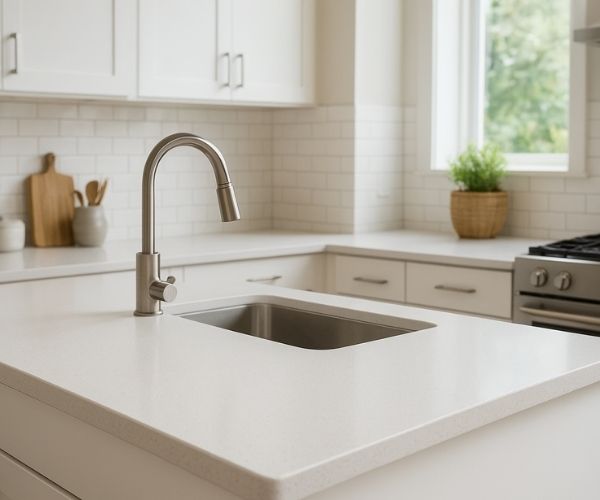
In this full guide, we’ll explain what an eased edge is, how much money it can save you when you make something, and the real pros and cons of using this style in your home.
What Exactly is an Eased Edge?
The eased edge is one of the most popular and flexible types of countertop edge profiles available today.
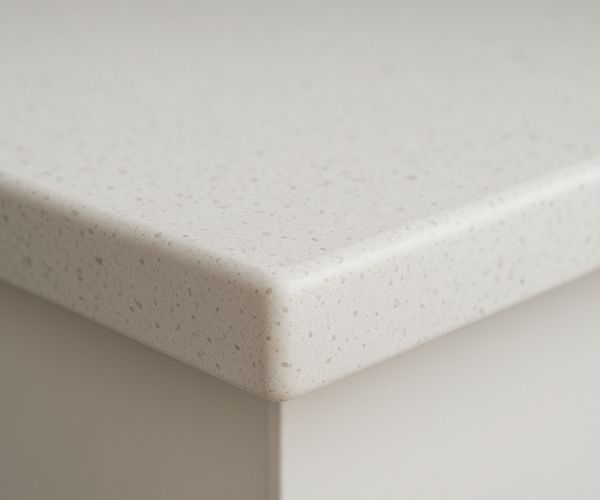
To get an idea of what it looks like, think of a flat, square edge. But instead of keeping the top and bottom corners at a sharp 90-degree angle, the fabricator rounds (or “eases”) the corners a little.
This small, smooth curve gets rid of the stone’s sharp, dangerous points. It gives the room a “soft square” look that is comfortable to lean against while still looking very modern, thick, and flat.
The Big Mix-Up: Eased Edge vs. Straight Edge
A stone fabricator will tell you that “straight edge” and “eased edge” are not the same thing, even though homeowners often use them to mean the same thing. A real straight edge has corners that are sharp and 90 degrees.
A real straight edge is dangerous to bump into and will chip right away if you hit it with a heavy pot, so no one actually puts one in their kitchen. An eased edge looks like a straight edge, but it has the right amount of softness for safety in the real world.
How Much Does an Eased Edge Cost?
Here is the best news for your remodelling budget: The eased edge is usually free.
The price of countertop edge profiles is based on the linear foot, which is the length of the exposed countertop edge, not the square foot. Because an eased edge doesn’t need much complicated routing or shaping, 99% of stone fabricators offer it as their “Standard Edge” at no extra cost.
Prices go up a lot if you want to upgrade to a fancy, decorative edge:
| Edge Profile Style | Average Cost (Per Linear Foot) | Vibe / Aesthetic |
| Eased Edge | $0 (Included Standard) | Modern, Clean, Simple |
| Half Bullnose | $10 – $20 | Transitional, Soft |
| Beveled (Quarter Bevel) | $10 – $15 | Contemporary, Angular |
| Ogee Edge | $30 – $60 | Traditional, Luxurious, Ornate |
| Dupont Edge | $40 – $60+ | Highly Formal, Antique |
If you have a big kitchen island and a lot of counters around the edges, choosing an eased edge instead of an Ogee edge can save you $500 to $1,000 or more on your final fabrication bill!
The Honest Pros and Cons
What makes this edge style so popular in modern kitchens? Let’s look at the real pros and cons.
The Pros:
- Clean and Timeless Look: The eased edge gives it a clean and timeless look. It doesn’t draw attention to itself, so the beautiful natural veining in your granite or marble slab can shine through.
- Maximises Visual Thickness: The flat edge face makes your 2cm or 3cm stone slab look as thick and solid as possible. Rounded bullnose edges can make the stone look thinner.
- Easy to clean: Dust, flour, and dirt can’t hide in deep grooves, decorative crevices, or sharp angles. A quick wipe with a microfibre cloth will clean the whole edge right away.
- Affordable: As was said before, it is almost always free.
The Cons (What to Watch Out For):
- Spills Roll Right Off: The top edge is only a little bit soft, so if you spill a glass of milk or water, it will run right over the flat edge and onto your floors and lower cabinets.
- Still Prone to Chipping: The flat face of an eased edge is still more likely to chip than a fully rounded bullnose edge if you hit it hard with a heavy cast-iron skillet. This is because the eased edge is safer than a razor-sharp straight edge.
- Too Minimalist for Some: An eased edge will look too modern and plain if you’re making a kitchen that is very ornate, Victorian, or traditional French country.
Read More: Countertops with Waterfall Edges
Eased Edge vs. Other Popular Edge Styles
If you’re still not sure, here’s how the eased edge compares to the other options:
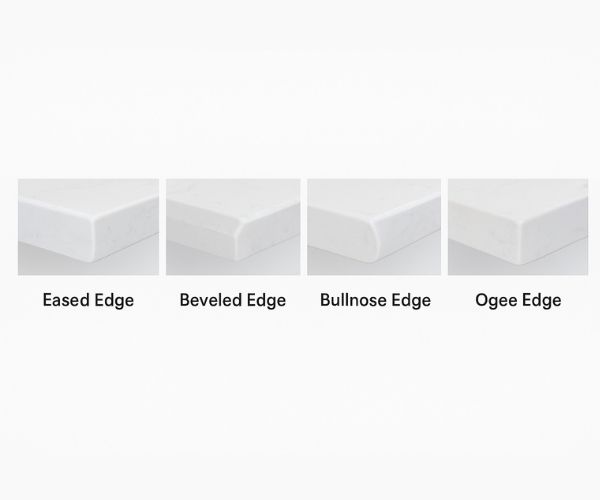
Versus Beveled Edge: Compared to a bevelled edge, a bevelled edge has a sharp 45-degree angle cut into the top corner. Those sharp angles are more likely to chip than the soft curve of an eased edge, even though they give the building a unique, modern look.
Versus Full Bullnose: A bullnose edge is a half-circle that is completely rounded. It is the safest edge for toddlers to bump their heads against, and it doesn’t chip very often. But a lot of designers think that the full bullnose looks a little old-fashioned and “heavy” next to the clean lines of an eased edge.
Versus Ogee Edge: The elegant “S”-shaped curve of an ogee edge screams luxury and classic design. But making it costs a lot more, and cleaning up crumbs from the deep “S” groove can be a pain every day.
Best Countertop Materials for Eased Edges
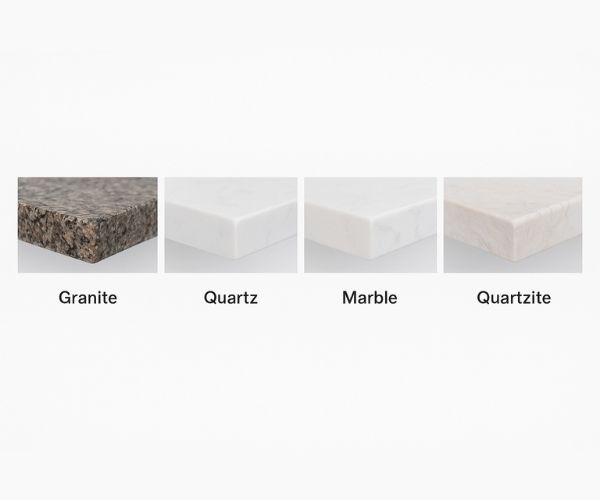
The eased edge is beautiful because it looks good on everyone. It looks amazing on almost any surface:
Quartz: A softened edge makes engineered quartz look more sleek, even, and modern. This is the best combination for kitchens today.
Granite: If your granite slab is very busy and active, like Alaska White or Santa Cecilia, an eased edge gives it a calm, quiet border that doesn’t compete with the stone’s wild patterns.
Marble: An eased edge makes marble look amazing because it strikes the right balance between the stone’s natural luxury and a subtle, unassuming shape. It makes the stone look more elegant and less showy or over-the-top.
Quartzite: It’s very hard and brittle to work with. Choosing a simple eased edge lowers the chance that the stone will break in the shop where it is made.
Maintenance: How to Care for an Eased Edge
There is almost no extra work needed to keep an eased edge countertop looking good. In fact, it’s very easy and quick to keep the edge clean because it doesn’t have any deep curves, complicated grooves, or sharp angles. This makes it perfect for everyday use.
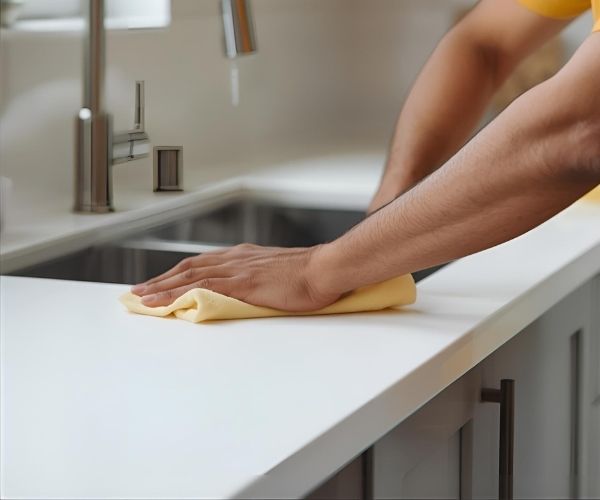
Follow these simple steps to keep your edges looking brand new:
- The Daily Wipe Down: Every day, use warm water and a little dish soap to clean the edge. The flat surface leaves no place for crumbs and dust to hide.
- Avoid Harsh Chemicals: Steer clear of bleach-based cleaners, vinegar, and abrasive scouring pads. These will make the polish on the edge of your stone less shiny.
- Watch the Impact: The edge is a little softer now, but you still need to be careful not to hit the flat face with heavy cast-iron skillets or belt buckles, as it can still chip if you hit it hard enough.
- Seal Your Stone: Don’t forget that the edge of your countertop is just as porous as the top! When you reseal your natural stones, like marble or granite, every so often, make sure to wipe the sealer down the edge that has been eased.
The Bottom Line
The eased edge is the best choice for a countertop finish that perfectly balances modern simplicity, safety for families, and affordability. It is the perfect “white T-shirt” for kitchen design because it goes with everything, never goes out of style, and lets the beauty of your home shine through.