Choosing the best wood for cutting board use comes down to three things: hardness, grain type, and how the wood reacts to moisture and repeated knife contact. Get these right and you have a board that will last for decades. Get them wrong, and you’ll be left with a warped, stained board that dulls your knives.
Maple, walnut, cherry, teak, ash and beech are some of the most popular choices — but they aren’t all equally well suited to every kitchen task. In this guide we rank all 12 options by what matters: hardness rating, grain type, moisture resistance, knife-friendliness and cost.
What is a cutting board?
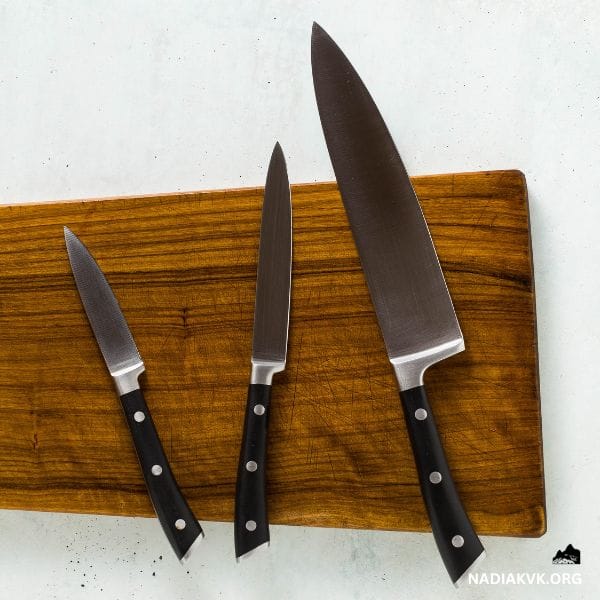
Cutting boards are vital kitchen utensils and the most popular material for cutting boards is wood. Wood is the most popular material for cutting boards, which are essential kitchen utensils. Boards can be made of glass, plastic or bamboo, but most home cooks prefer wood for its durability, knife-friendliness and natural antibacterial properties.
What is the best cutting boards material?
When choosing a cutting board consider what dishes you will be preparing, your cutting methods, and your maintenance preferences.
Plastic boards: They can break easily and are not environmentally friendly, but they are cheap and easy to clean.
Wood boards: Offer a big surface area, are durable, and sustainable. Also require extra maintenance, such as regular oiling and cleaning to prevent bacterial growth.
What to Look for When Choosing the Best Wood for Cutting Board Use
Wood Grain (or Porosity):
High porosity woods can have crumbling edges and are less ideal for cutting vegetables, seafood, and meats. A medium-grained board with crisp edges is generally a good choice. Avoid boards with too many slivers or fat edges to prevent food from getting caught.
Knowing about wood grain is more than just for cutting boards — check out our guide to the 12 best types of wood for furniture and DIY projects for a broader look at how grain plays a role in different woodworking applications.
Hardness:
Different types of wood have different strength levels, which influences how well they work for cutting food. Because hardwoods like maple and walnut score high on the Janka hardness scale — the standard measure of wood’s resistance to denting and wear — making them ideal cutting board materials.
Wood Safety:
Avoid chopping boards made of woods that have been treated with toxic finishes, stains or pressure-treated lumber as these can leach chemicals into food. Also avoid naturally toxic woods such as yew which contains compounds that are harmful to humans. All 12 woods in this guide are food safe when finished with food grade mineral oil or beeswax.
Extra Features:
When picking a cutting board, consider ones with a bump or lip around the edge to keep food from running off. Boards comes with built-in sections for keeping knives and tools, adding ease to your cooking tasks.
Maintenance:
For the best results, use separate cutting boards for raw meat and for fruits and vegetables. After each use, clean the boards with soap and hot water, then dry them thoroughly to prevent bacteria growth. To keep wooden boards in good shape and avoid cracking, regularly apply food-safe mineral oil.
Cost:
The cost of a wood cutting board is dependent on the type of wood used, the thickness of the board, and whether it is built with face grain, edge grain or end grain. End-grain boards from any species are much more expensive than face or edge grain, due to the labor-intensive manufacturing process. Teak is usually more expensive than beech or ash because it has to be sustainably sourced. Walnut and maple also vary a lot depending on their grade and where they come from.
Quick Comparison: Best Woods for Cutting Boards
| Wood | Janka Hardness | Grain Type | Knife-Friendly |
|---|---|---|---|
| Hard Maple | 1,450 lbf | Tight, closed | ✅ Excellent |
| Walnut | 1,010 lbf | Medium, open | ✅ Excellent |
| Cherry | 950 lbf | Fine, closed | ✅ Very good |
| Teak | 1,000 lbf | Medium | ✅ Good |
| Ash | 1,320 lbf | Open | ✅ Good |
| Beech | 1,300 lbf | Fine, closed | ✅ Good |
| White Oak | 1,360 lbf | Medium | ⚠️ Moderate |
| Acacia | 1,750 lbf | Varied | ⚠️ Can dull knives |
| Bamboo | Not rated | Tight | ❌ Dulls knives |
| Pine | 870 lbf | Soft, open | ❌ Too soft |
| Plastic/Bamboo | N/A | N/A | ❌ Avoid |
Janka hardness measures resistance to denting and scratching. For cutting boards, look for a hardness of 900 to 1,500 lbf—hard enough to resist scoring but not so hard that it aggressively dulls your knives.
12 Best Woods for a Cutting Board — Ranked
The kind of wood used in a cutting board can greatly influence its performance and durability. Here’s a closer look at some of the best woods to make cutting boards from:
Ash
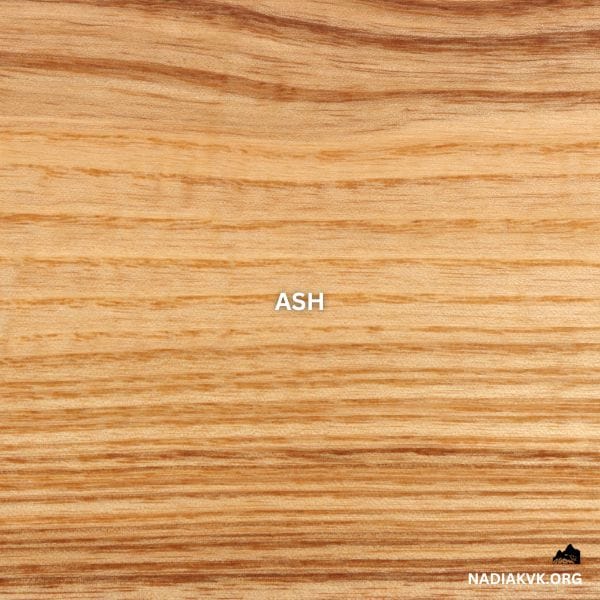
- Appearance: Ash naturally has a matte finish which makes it look nice.
- Water Resistance: This wood is naturally water resistant, making it ideal for applications involving meats and fish, where moisture is often present.
- Durability: Ash is a strong wood and can withstand daily use without much wear.
Teak
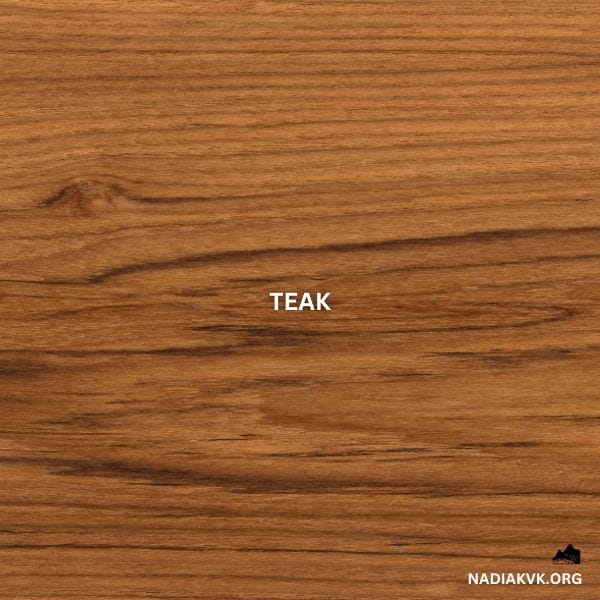
- Durability: Teak is well known for its durability; it wears better over time than many other woods.
- Stain Resistance: Teak is naturally rich in oils which makes it very stain and odor resistant which is a good thing when preparing different types of food.
- Aroma: Teak wood adds a pleasant aroma to the cooking experience, but it is one of the more expensive options.
Maple
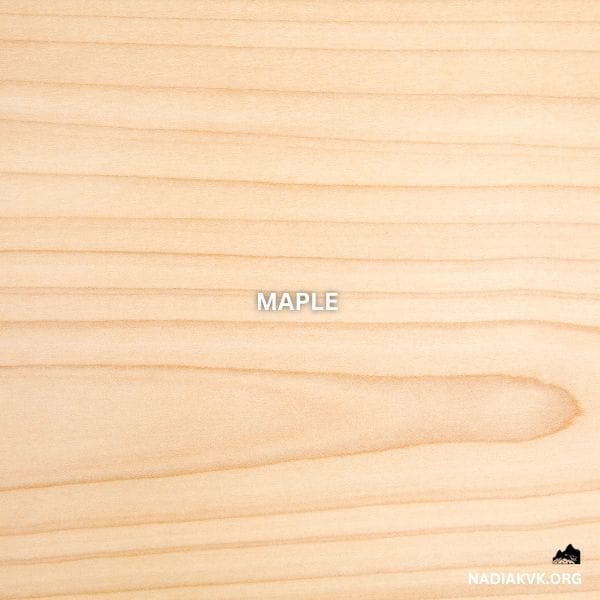
- Varieties: Maple is available in hard and soft varieties. Also the hard maple is very popular due to its strength.
- Heat Resistance: Capable of handling high heat, this feature makes it suitable for numerous kitchen functions without easily bending or shattering.
- Usage: Its durability makes maple a favorite in residential kitchens and commercial settings alike, ensuring it stands up to the demands of frequent use.
Hard maple is widely considered the gold standard in wood for best use in cutting boards in both home and professional kitchens.
Walnut
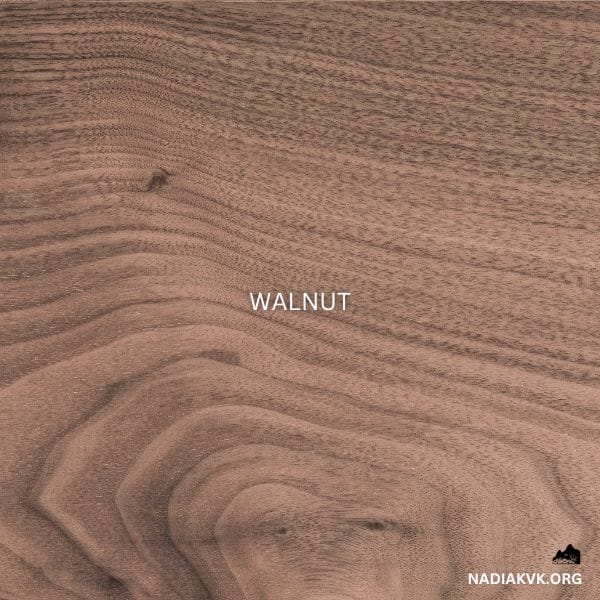
- Smooth Surface: Walnut has a smooth surface that’s easy on knives but still gets the job done for cutting different types of food.
- Moisture Resistance: This wood is highly moisture-resistant, which helps to avoid warping or cracking over time.
- Aesthetic Appeal: Walnut cutting boards look good thanks to their rich color and grain patterns that complement kitchen decor.Especially loved by home cooks who want style and function.
Cherry
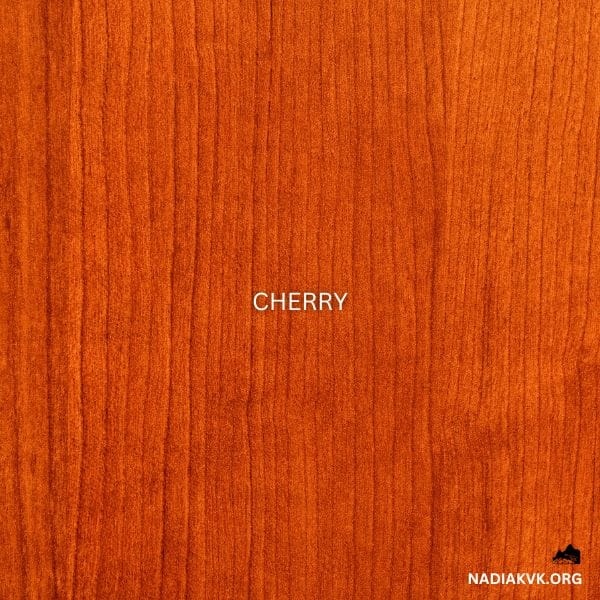
- Appearance: Rich warm tones that develop a beautiful patina over time.
- Properties: Durable, fine and even grain prevents wear while maintaining elegance.
- Best for: A touch of sophistication for any kitchen decor and practical for daily use.
Beech

- Affordability: Beech is one of the more affordable hardwoods on the market, making it accessible for many home cooks.
- Durability: Reasonably durable, though maybe not quite as tough as some other hardwoods like maple or walnut.
- Best Uses: Beech is great for general chopping work, but you may not want to use it with very heavy duty applications.
White Oak
- Grain: White oak is different from red oak in that it has a closed, tight grain, which makes it resistant to moisture and suitable for use in contact with food.
- Hardness: It’s harder than walnut and cherry at 1,360 lbf on the Janka scale — durable, but a little more harsh on knife edges.
- Best For: Heavy chopping where the knife is more important to keep than the edge. Good mid range pick.
Acacia
- Hardness: Acacia is one of the hardest cutting board woods, at 1,750 lbf — harder than maple — which makes it extremely durable but potentially aggressive on knife edges over time.
- Appearance: Features dramatic and varied grain patterns with warm golden and brown tones that make for striking looking boards.
- Consideration: It’s so hard that you should use acacia boards with better knives that can handle it or leave it for tougher prep jobs.
Bamboo
- Bamboo is a grass, not a wood, and is very hard (about 1,380 pounds per square inch) and fibrous and silica-filled, so it is hard on knife edges even when it is sold as a cutting board material. It also breaks up easier than true hardwoods with extended use. We include it here for comparison, but we recommend choosing maple or beech over bamboo.
Pine
- Pine ranks around 870 lbf on the Janka scale, making it much too soft for use as a cutting board. Knife marks quickly cut deep grooves into the surface . These form channels in which bacteria can hide and the board is difficult to clean properly . Pine is better for decorative or display purposes, not active food prep.
Black Walnut
- Hardness: Close to 1,010 lbf, similar to the standard walnut.
- Appearance: Darker and richer than American Walnut. Dramatic grain patterns. Produces premium looking boards.
- Best For: Decorative end-grain boards when looks are as important as performance. It is one of the most desirable woods for high end cutting board making.
Types of Wood Grain
Face Grain: The flat surface that shows the growth rings and figure of the wood. Most used in decorative boards — beautiful but most prone to warping.
Edge Grain: The long side of a wood plank showing tight parallel grain lines. More stable than face grain and the most common type for everyday cutting boards .
End Grain: A cut across the fibers of wood which is the checkerboard pattern you see on butcher block boards. Most knife-friendly and self-healing – the most durable option for heavy use.
Materials to avoid
While wooden cutting boards are frequently used for their strength and natural ability to fight bacteria, plastic boards can trap germs if not cleaned properly and generally need to be changed more often.
In contrast, wooden boards, especially those made from trees like maple or walnut, can help avoid germ growth when looked for properly. Because they also tend to be easier on knives, helping them stay sharp longer. Choice between wood and plastic relies on personal taste and what works best in your home.
butcher block Vs common cutting board
Butcher Block: These are big thick slabs made from hard wood, great for heavy-duty jobs. Many butcher blocks feature sections for keeping knives and tools, making them useful for busy kitchens.
Common Board: Typically made from materials like bamboo, plastic, or acrylic, popular boards may not offer the same durability and antibacterial qualities as natural wood boards. When choosing the best wood for cutting board use, hardwoods like maple, walnut, and cherry consistently outperform softwoods and manufactured materials in durability, knife-friendliness, and longevity.
What is the importance of cutting boards?
Cutting board is important for food preparation as it keep tables and knives from damage and providing a clean area for cutting. And washing chopping boards are easy and the regularly cleaning cutting boards helps reduce the risk of germs growth, ensuring food safety.
Frequently Asked Questions: Best Wood for Cutting Board Use
What is the best wood for a cutting board?
Cutting boards: The most recommended wood for cutting boards is hard maple, which has a Janka hardness rating of about 1,450, a tight grain that prevents moisture absorption and bacteria growth, and is soft on knife edges. Walnut and cherry are never a bad choice if you prefer a darker aesthetic or a slightly softer surface.
Is oak good for cutting boards?
White oak is a good choice for cutting boards because the closed grain doesn’t absorb moisture. Red oak, in contrast, has an open, porous grain that readily absorbs moisture and bacteria, and is a poor choice for food-contact surfaces.
What wood should you avoid for cutting boards?
Avoid softwoods like pine that have a low rating on the Janka scale and can be easily cut, leaving deep grooves where bacteria can hide. Bamboo is also popular, but should be avoided. Bamboo is harder than most hardwoods and will quickly dull your knives. Bamboo is fibrous and can splinter with repeated use.
How do you maintain a wooden cutting board?
Wipe clean with hot soapy water after every use and dry immediately Do not soak or put in a dishwasher. Rub in a generous amount of food-grade mineral oil once a month and wipe off the excess after 20 minutes to prevent drying and cracking.
Does wood grain direction matter for cutting boards?
Definitely. Yes — significantly so. End grain boards (you cut into the ends of wood fibers) are the most knife friendly and self-healing – knife cuts open the fibers and close back up. Edge grain boards are cheaper and very durable. Face grain boards are the least expensive but also the most likely to warp when exposed to moisture.