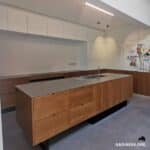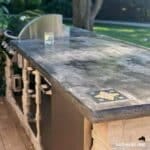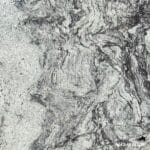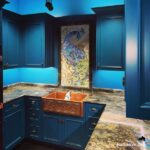
Looking for a countertop that’s gorgeous, will last forever, and doesn’t need to be babied? Dark, almost black, flecked with green and gold, Ubatuba granite countertops have been a favored choice of homeowners and designers for years, and once you see this stone in person, it’s easy to see why.
The Ubatuba granite is sourced from Brazil and delivers the true toughness of a natural stone while providing enough versatility to work in nearly any kitchen style, traditional, modern or anything in between. Let’s break down what makes it so popular, what it really costs and if it’s the right fit for your next project.
What Are Ubatuba Granite Countertops, Really?
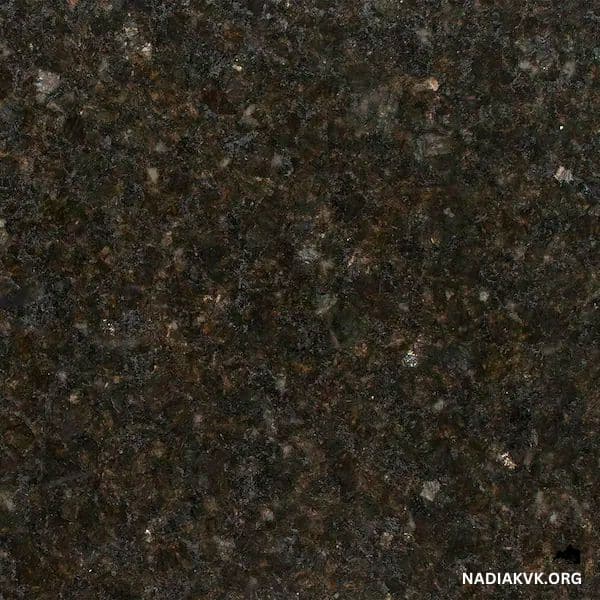
First things first: Ubatuba granite is a natural igneous rock quarried in Brazil, formed from slowly cooling magma deep within the Earth’s crust — the same geological process responsible for granite’s exceptional hardness and heat resistance.
If you’ve never seen it in person, picture a dark, almost black base speckled with flecks of green, gold, and sometimes even white or brown. Every slab looks a little different—which, in my opinion, is half the fun. You’re not just buying a countertop; you’re getting a one-of-a-kind piece of natural art.
Why Are People Obsessed with Ubatuba Granite?
The main reason Ubatuba granite countertops remain so popular is versatility — they work in nearly any kitchen style imaginable. Ubatuba just fits. It’s like the little black dress of natural stone—always stylish, never out of place.
The depth of color adds drama, but those shimmering flecks keep it from feeling too heavy or dark. I’ve seen it paired with everything from pure white cabinets to deep cherry wood, and it always looks right.
But the beauty isn’t just skin-deep. Ubatuba is seriously tough. If you’re the type to set down a hot pan without thinking or let your kids do their worst with arts and crafts, you’ll appreciate this stone’s resilience.
Where Can You Use Ubatuba Granite?
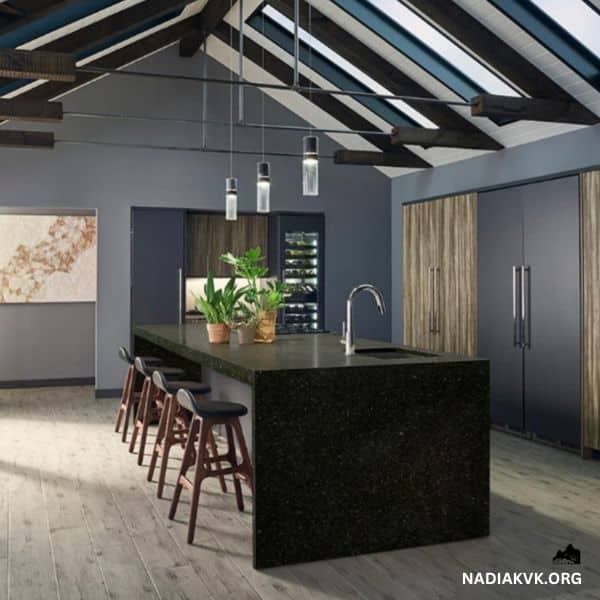
The real question is—where can’t you use it? Here are some spots where I’ve seen Ubatuba Granite shine:
- Kitchen countertops: It resists scratches, heat, and stains, and its dark color hides crumbs and smudges surprisingly well.
- Bathroom vanities: Adds a luxe, spa-like vibe and stands up to humidity.
- Floors: Yes, it’s that durable! Gorgeous in an entryway or sunroom.
- Outdoor kitchens: Ubatuba doesn’t flinch at rain, sun, or dropped barbecue tongs.
- Fireplace surrounds & accent walls: If you want a conversation starter, this is it.
That said, granite is heavy—so make sure your cabinets or supports can handle the load, especially if you’re planning a big island or long countertop run.
For another granite known for hiding stains and crumbs in busy kitchens, Black Galaxy granite countertops offer a similar dark, speckled aesthetic with slightly more gold shimmer.
Is Ubatuba Hard to Live With?
Honestly, not at all. I’m not a fan of fussy surfaces, and Ubatuba is about as low-maintenance as stone gets. Here’s how to keep it looking sharp:
- Wipe up spills: Especially anything acidic (lemon juice, vinegar, wine). No stone is immune to etching if you let those linger.
- Use mild soap and water for cleaning: You don’t need fancy products. Avoid harsh chemicals and scrubbing pads, though.
- Seal it once every year or two: This just means wiping on a sealer with a cloth, letting it sit, and buffing it off. Not nearly as intimidating as it sounds.
- Use trivets for hot pans: Granite can take some heat, but why risk it? Thermal shock is rare, but possible.
- Always use a cutting board: Granite is hard, but your knives will dull fast, and repeated direct cutting could eventually leave a mark.
If you stick to these basics, you’ll have a countertop that looks gorgeous for decades.
Ubatuba Granite Countertops Cost: What You’ll Pay in 202
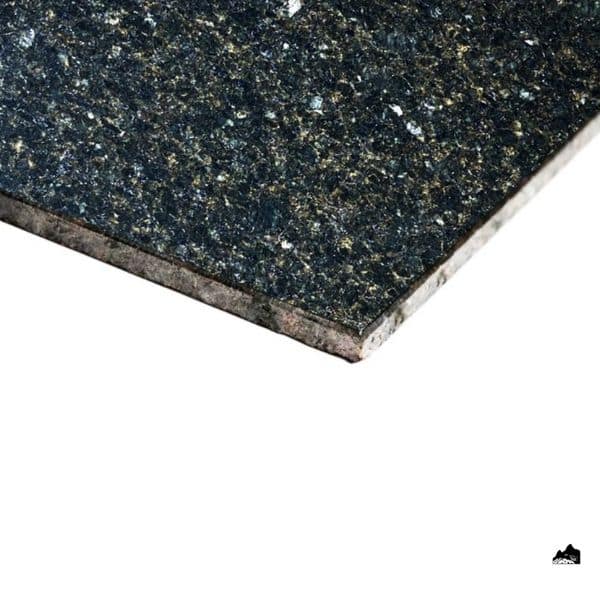
Let’s talk about money because it always matters, price for Ubatuba Granite are different, but heres a rough idea based on what I’ve seen:
Material: $60–$70 per square foot is typical though those with rare patterns or extra thickness can cost more.
Installation: Add $2–$4 per square foot for professional installation. Trust me—this is not a DIY job unless you’re very experienced.
Extras: Fancy edges, sink cutouts, or backsplashes will raise your final bill. Don’t forget to ask for a quote that includes everything.
Maintenance: The cost of sealer (once every year or two) is minimal, and cleaning supplies are what you’d use anyway.
Is Ubatuba the cheapest granite? Not always, but in terms of durability and how long it lasts, it’s a solid investment. Plus, it adds resale value and wow-factor if you ever sell your home.
How Ubatuba Compares to Other Dark Stones:
| Material | Installed Cost Per Sq Ft | Notes |
|---|---|---|
| Ubatuba Granite | $62 – $74 | Dark, durable, classic choice |
| Black Galaxy Granite | $65 – $90 | Brighter gold flecks, pricier |
| Black Pearl Granite | $50 – $80 | Similar dark base, fewer flecks |
| Absolute Black Granite | $55 – $85 | Solid black, no speckling |
| Black Quartz (Engineered) | $60 – $120 | Uniform pattern, heat-sensitive |
Ubatuba sits comfortably in the mid-range for dark granites — more affordable than Black Galaxy’s premium pricing, while offering more visual texture than solid Absolute Black.
If you’re drawn to natural stone but desire something lighter, River White granite countertops provide a similar value proposition in a soft white and grey palette.
Color and Style: Will Ubatuba Work in My Home?
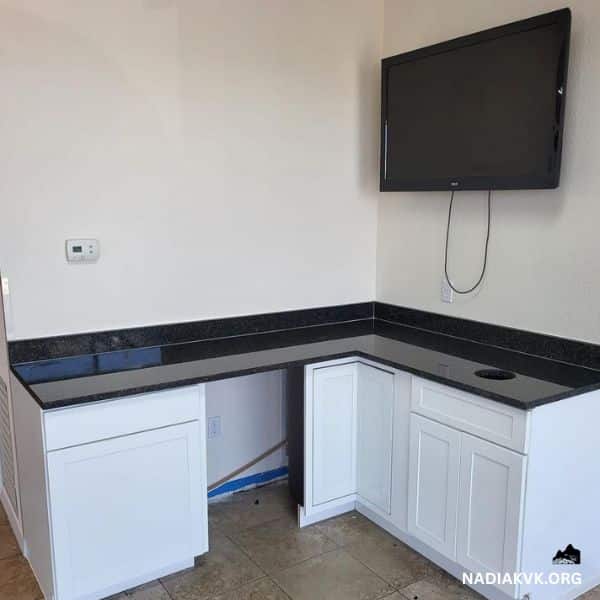
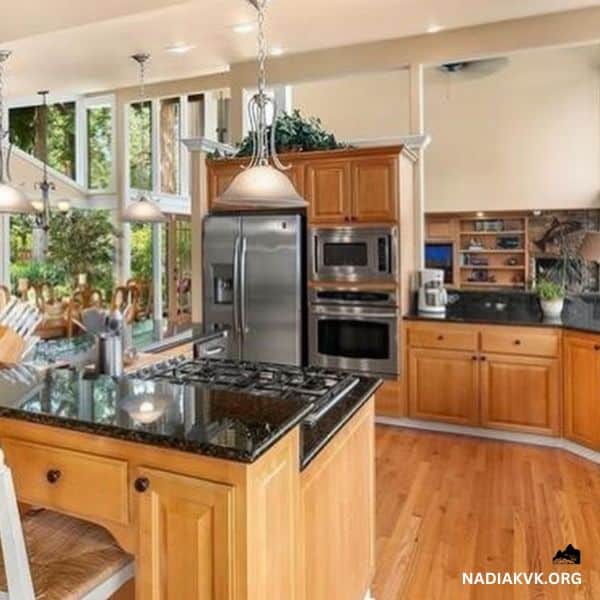
I’ve noticed that Ubatuba’s dark green-black color sometimes intimidates people, especially if they’re used to lighter stones. But don’t be afraid! The gold and green flecks keep it from feeling flat or too heavy, and it actually hides messes better than snowy white counters (ask any parent). I’ve seen it work beautifully in:
- White kitchens: Crisp and elegant, with just enough contrast.
- Warm, wood-toned kitchens: The green undertones pair surprisingly well with oak, maple, or cherry.
- Modern, minimalist spaces: Ubatuba’s pattern adds interest without stealing the show.
If you’re unsure, bring home a sample or two and live with them for a few days. See how they look in your lighting—sometimes you’ll be surprised by how the stone shifts from day to night.
The Longevity Factor
Here’s the thing about Ubatuba granite countertops: once installed, they’re built to last a lifetime with minimal upkeep. This stone is seriously tough. It doesn’t chip or crack easily, and it resists wear even in high-traffic kitchens. Maintenance is minimal (as long as you remember to seal it), and it’s forgiving if you don’t clean up every single spill right away.
If you’re tired of replacing or repairing cheaper surfaces, Ubatuba’s upfront cost starts to make a lot of sense.
Ubatuba Granite Countertops: Pros and Cons — No Sugarcoating
Pros:
- Durable, scratch and heat-resistant
- Unique, dramatic coloring
- Pairs with a wide range of cabinet and wall colors
- Holds up beautifully outdoors
- Good value for the lifespan
Cons:
- Heavy! Professional installation is a must.
- Dark color can show dust or light crumbs (but hides stains better than white)
- Not easy to remove or alter once installed
- Harder to cut/shape for DIYers (leave this to the pros)
Before finalizing your design, double-check the standard countertop heights for kitchens and bathrooms so your Ubatuba slab fits perfectly with your cabinetry.
FAQs: Quick Answers to Common Questions
What’s the average cost per square foot?
$60–$70, depending on quality, thickness, and local market.
Does it really need sealing?
Yes, but only every 1–2 years, and it’s a super simple process.
Can I use it outside?
Absolutely! It’s perfect for outdoor kitchens and patios.
Will it go out of style?
Unlikely. Ubatuba’s classic look has stuck around for decades.
Is it hard to match with other colors?
Nope. It’s more flexible than people realize—just try a few samples with your paint or cabinet swatches.