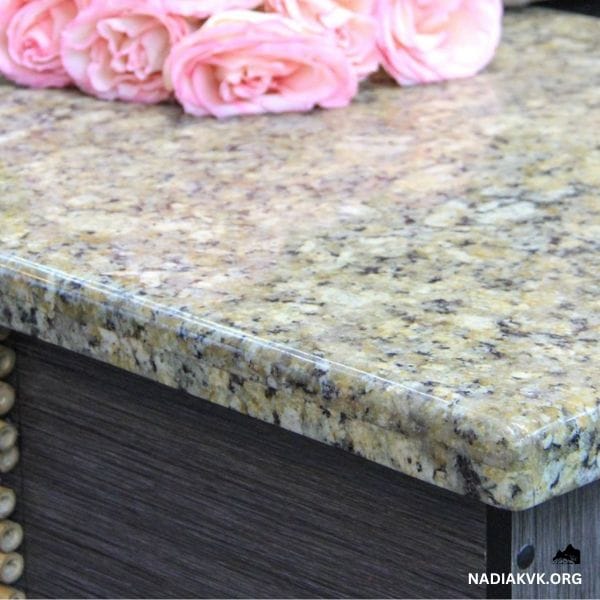
Santa Cecilia granite countertops are one of the most popular natural stones in the US — and it’s easy to see why when you see the warm honey-gold base with rich coffee, burgundy and charcoal mineral deposits in person.
Santa Cecilia granite countertops are quarried in Brazil and have been a perennial favorite for more than two decades, through every trend in design that has come and gone. They look just as great with white shaker cabinets, dark walnut, grey modern kitchens, and navy blue islands – a very rare quality in any countertop material.
In this guide: Actual costs of 2026, Santa Cecilia vs quartz and marble, the real pros and cons, plus a simple care schedule to keep it looking new for decades.
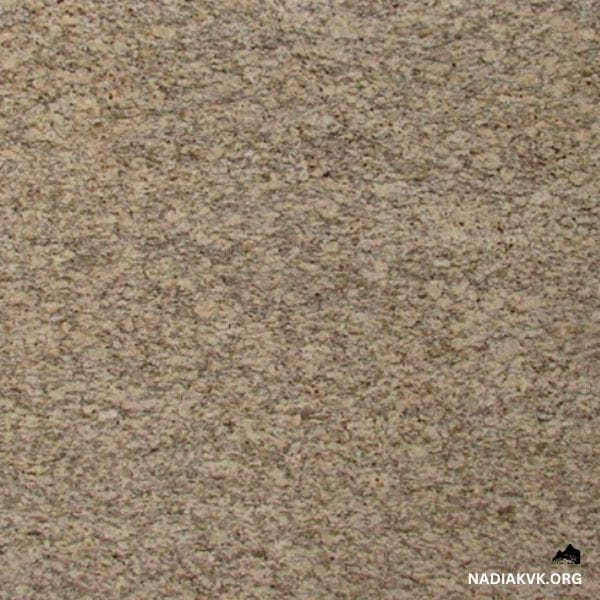
What is Santa Cecilia Granite?
Santa Cecilia granite comes from Brazil, where it forms through the slow cooling of magma deep within igneous rock deposits — the same geological process that gives all granite its exceptional hardness and heat resistance.
Saint Cecilia, the patron saint of music, gave the stone its lovely name. It’s a good name because the colours and textures in your kitchen work together to make a beautiful picture. The best thing about choosing natural stone is that no two slabs are the same. No one else in the world will have the same pattern on their kitchen countertop.
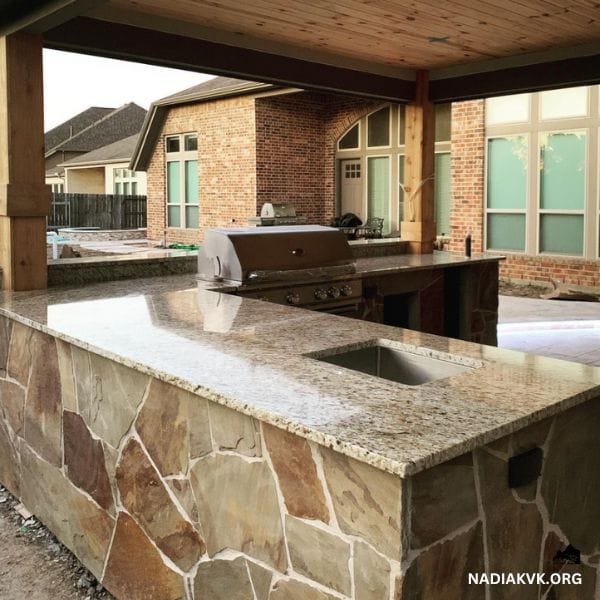
How Much Does Santa Cecilia Granite Cost?
This stone is a great choice if you’re on a tight budget for your home renovation. It gives you the luxury of natural Brazilian stone without the high price.
Santa Cecilia Granite costs between $40 and $70 per square foot on average, including installation.
| Material | Installed Cost Per Sq Ft | Notes |
|---|---|---|
| Santa Cecilia Granite | $40 – $70 | Entry-level Brazilian granite |
| Standard Engineered Quartz | $60 – $120 | No sealing, heat-sensitive |
| Natural Marble | $80 – $150 | High maintenance, etches easily |
| Exotic Granite (Azul Platino etc) | $100 – $200+ | Rare, premium pricing |
| Laminate (Stone Effect) | $15 – $40 | Budget option, not natural stone |
Santa Cecilia consistently ranks among the most affordable entry points into genuine Brazilian natural stone — making it one of the highest value-per-dollar countertop materials available in 2026.
Note: The final price will change depending on where you live, how hard it is to cut out your sink (like an undermount sink), and the edge profile you choose.
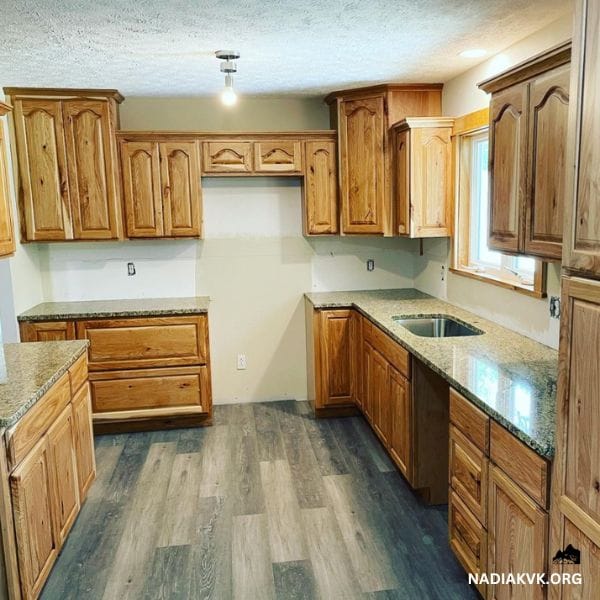
If your budget allows for something more exotic, Azul Platino granite countertops are another Brazilian stone with a striking blue-grey tone that makes an unforgettable kitchen centerpiece.
Cabinet Colors That Match Santa Cecilia Granite
One of the main reasons builders and homeowners love this stone so much is that it can be used in many ways. Santa Cecilia is like that friend who can get along with anyone; it works with almost any style of design. It goes well with
Classic White Shaker Cabinets: The dark charcoal and burgundy specks stand out against the clean white wood.
Warm Cherry or Walnut: The golden honey base of the granite goes perfectly with the deep tones of dark natural wood.
Modern Grey Cabinets: They surprisingly make cool grey spaces feel warmer, which keeps the kitchen from feeling too sterile.
Deep Navy Blue: The golden tones in the granite look great with the dark navy island cabinetry for a bold, very unique look.
Pairing Santa Cecilia with white cabinets? Browse our colonial white granite countertops guide to see how a similar warm-toned stone looks in an all-white kitchen.
Santa Cecilia vs. Quartz and Marble
How does this classic granite compare to others?
Compared to Quartz:
Engineered quartz is smooth and doesn’t need to be sealed. Santa Cecilia Granite, on the other hand, has a real, one-of-a-kind natural depth that manufactured quartz just can’t match. Also, quartz resins can melt or burn when they get too hot, but natural granite can handle heat much better.
Compared to Marble:
There is no denying that marble is beautiful. Santa Cecilia is the better choice if you really cook and live in your kitchen. Marble is very soft and porous, so it scratches, etches, and stains easily. Santa Cecilia gives you a high-end look without the stress of everyday life.
If you love marble’s look but want something more practical, fantasy brown countertops are a quartzite-marble hybrid that delivers similar veining with far better durability.
Santa Cecilia Granite Countertops: Honest Pros and Cons
Before you visit the stone yard, here’s an honest look at what living with Santa Cecilia granite countertops is really like day to day:
The Pros:
- Timeless Beauty: The warm, golden colours will always be in style.
- Very strong: It can handle the mess of family life, kids doing homework, and cooking a lot.
- Hides Messes: The busy, speckled pattern is great at hiding crumbs and dust.
- Affordable: It is in the entry-level price range for natural stone.
The Cons:
- Needs Sealing: You have to put a liquid sealant on it once a year, just like with all natural granite.
- Visible Seams: If your fabricator isn’t careful, seams between two slabs can sometimes be easy to see because of the speckled pattern.
How to Care for Santa Cecilia Granite Countertops
You might think that taking care of Santa Cecilia Granite is hard, but it’s not. To keep your investment looking brand new, follow this simple schedule:
- Cleaning every day: Use warm, soapy water or a pH-balanced natural stone cleaner to wipe down the counters. Don’t use strong chemicals like bleach, vinegar, or ammonia because they will break down the sealant.
- Use cutting boards and trivets: The stone is very hard, but don’t cut directly on it because it will dull your knives. Also, always put a trivet on the counter under hot pots to keep the chemical sealant from burning off!
- Sealing once a year: Use a high-quality granite impregnating sealer once a year. It takes about 30 minutes (like waxing a car) and keeps your stone completely waterproof.
- Quickly Clean Up Spills: To keep red wine or tomato sauce from soaking into the tiny pores of the stone, wipe them up right away.
Looking for a lighter Brazilian granite with similarly easy maintenance? Luna Pearl granite countertops offer a soft grey and white speckled pattern at a comparable price point.
The Bottom Line
The best countertop is the one that makes you smile every time you walk into the room — and Santa Cecilia granite countertops have been doing exactly that for homeowners across the US for over two decades.
Frequently Asked Questions About Santa Cecilia Granite Countertops
Is Santa Cecilia granite out of style?
No. Santa Cecilia granite countertops have been a consistent favorite for over 20 years because the warm honey-gold and charcoal color palette works with just about every kitchen design trend. Bold or trendy colors are temporary but warm-toned neutrals are timeless.
What level is Santa Cecilia granite?
Santa Cecilia is generally considered a Level 1 or Level 2 granite, depending on the supplier. This makes it one of the cheapest natural stone options available today, delivering authentic Brazilian granite quality at entry-level prices. pricing.
How often do you need to seal Santa Cecilia granite countertops?
Most kitchens only need once a year. Use a good quality penetrating granite sealer and allow it to soak in for 20 to 30 minutes and then wipe off the excess. The simple water bead test can be a sign when it’s time – if water soaks in rather than beads up, it’s time to reseal.
Does Santa Cecilia granite scratch easily?
No. Granite rates 6–7 on the Mohs hardness scale, making it highly scratch resistant under normal kitchen use. It will dull your kitchen knives before it scratches — which is why cutting boards are recommended to protect your knives, not the stone.
What is the best edge profile for Santa Cecilia granite countertops?
The beveled or eased edge profiles are the most popular choices for Santa Cecilia because they keep the focus on the stone’s natural pattern rather than adding decorative complexity at the edge. An ogee edge works beautifully for traditional kitchens that want to emphasize the stone’s classic character.