Thinking about using chalk paint for kitchen cabinets to save money on a full cabinet replacement? You’re not alone – chalk paint has exploded on Pinterest and TikTok for its “no-sanding required” promise, and it’s tempting when a full kitchen cabinet replacement can run $15,000 or more.
But, before you pick up a brush, there’s an honest answer you need to hear about whether chalk paint really holds up in a busy, greasy kitchen — versus cabinet paint, the professional-grade alternative.
In this guide: exact differences between the two paints, actual costs for 2026, and a clear verdict on which one is right for your particular project.
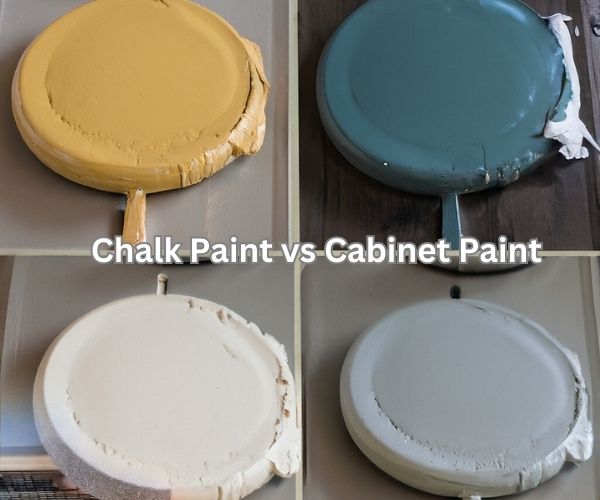
What is Chalk Paint and Can You Use It for Kitchen Cabinets?
Chalk paint for kitchen cabinets and furniture projects has become a go-to choice for DIYers because of one key promise: almost zero prep work required. Annie Sloan came up with this unique paint, which is made with calcium carbonate. It leaves behind a beautiful, ultra-matte, chalky texture when it dries.
Its best feature is how well it sticks to things. It should stick to almost anything, like bare wood, furniture that has been painted before, metal, and even glass, with almost no preparation needed. You usually don’t need to strip, sand, or prime the surface before putting it on. This is why it is the best paint to use on old furniture to give it a distressed, vintage, or “shabby-chic” look.
What is Cabinet Paint?
Cabinet paint is a very strong, specialised coating made for the toughest places in your home, like the kitchen and bathroom.
Premium cabinet paints are usually an acrylic-alkyd blend or a waterborne urethane enamel — a polymer coating that chemically hardens rather than simply drying, creating a far more durable surface than standard latex wall paint. This is different from regular wall paint or chalk paint. What does that mean in simple terms? That means the paint has special hardeners and resins in it. Not only does it dry, but it also chemically hardens into a tough, plastic-like shell that doesn’t chip, get hot, get wet, or get greasy fingerprints.
You have to do the work by hand to get this bulletproof finish, though. Before you even open the paint can, you need to carefully clean the cabinet, dull the surface with sandpaper, and apply a high-quality bonding primer.
Side-by-Side Comparison: The Tale of the Tape
If you’re having trouble deciding between the two options in the paint aisle, here’s how they compare:
| Feature | Chalk Paint | Premium Cabinet Paint |
| Prep Work Required | Very Low (Just clean it) | High (Degrease, sand, and prime) |
| Finish / Aesthetic | Ultra-matte, rustic, textured | Smooth, factory-like, satin or semi-gloss |
| Average Cost (Per Quart) | $35 – $45 | $25 – $40 |
| Self-Leveling | No (Shows brush strokes) | Yes (Smooths out as it dries) |
| Required Topcoat | Yes (Must be sealed with wax or poly) | No (The paint acts as its own hard shell) |
Even professional cabinet painting costs a fraction of full replacement – making it one of the highest ROI kitchen upgrades available. Chalk paint vs cabinet paint material cost difference is small but durability difference is huge.
How Much Does It Cost to Paint Kitchen Cabinets?
| Approach | Materials Cost | Labor (If Hiring) | Total Estimate |
|---|---|---|---|
| DIY with Chalk Paint | $150 – $300 | N/A | $150 – $300 |
| DIY with Cabinet Paint | $200 – $450 | N/A | $200 – $450 |
| Professional Cabinet Paint | $400 – $800 materials | $1,000 – $3,000 labor | $1,400 – $3,800 |
| Full Cabinet Replacement | $5,000 – $15,000+ | Included | $5,000 – $15,000+ |
The Big Question: Is Chalk Paint Durable for Kitchen Cabinets?
We need to answer the question that brought you here: Can you paint your kitchen with chalk?
The honest answer is: We strongly advise against it, to be honest. Chalk paint is great for an old bedroom dresser or a decorative hallway table, but a kitchen is not a good place for it. Kitchen cabinets are always getting hit hard, getting dirty hands on them, and getting steam from boiling water.
Chalk paint is very porous, so it easily picks up grease and stains. You need to put on several coats of finishing wax or a polyurethane topcoat to make it last. The chalk paint underneath is still soft and easy to chip when a flying pot or a heavy ceramic mug hits it, even with a topcoat.
If you’re updating your cabinets, you’re likely thinking about countertops, too — our granite vs quartz countertops comparison will help you pick the perfect surface to match your newly painted cabinets.
The Honest Pros and Cons
Are you still not sure? When planning a kitchen remodel, let’s look at the specific pros and cons of each choice.
Chalk Paint
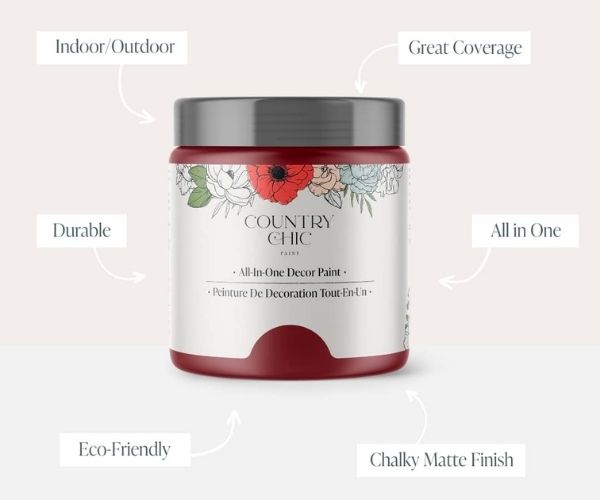
Pros:
- Saves Time on Prep: You can usually skip the parts of sanding and priming that you hate.
- Easy to Distress: You can easily rub the edges with sandpaper to show the wood underneath if you want a farmhouse, worn-in look.
- Forgiving for Beginners: It dries really quickly and hides flaws in old, damaged wood.
Cons:
- Not Strong Enough: The handles on your most used cabinets (like the trash pull-out or sink doors) will chip and wear down quickly.
- Needs a Topcoat: The time you save on prep work is wasted right away because you have to spend hours putting on finishing wax or clear paint to seal the cabinets.
Read More: Can You Use Pine Sol on Granite Counters
Want to upgrade your countertops, too? Before you choose a surface, check out the guide on what cleaners are safe for granite countertops.
Cabinet Paint (Urethane Enamel)
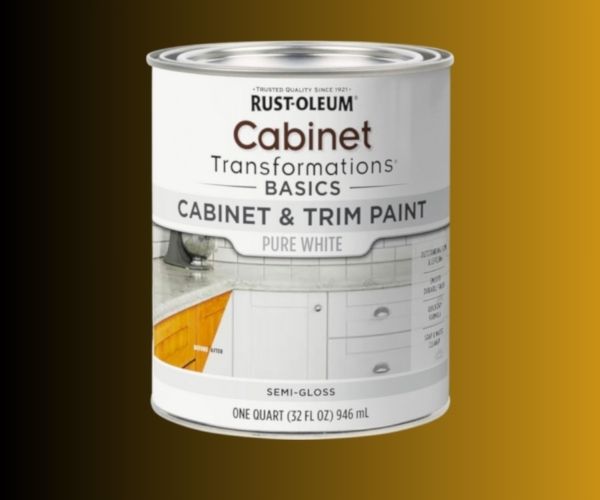
Pros:
- Bulletproof Durability: Once it has fully cured, it forms a rock-hard shell that can withstand daily scrubbing, grease, and impacts.
- The “Factory Finish”: Good cabinet paint levels itself out. This means that as it dries, the brush strokes disappear, making your cabinets look like they were sprayed in a factory.
- Easy to Clean: If you spill tomato sauce or coffee on it, the satin or semi-gloss finish makes it easy to wipe away.
Cons:
- Intense Prep Work: If you don’t clean, sand, and prime the cabinets well first, the expensive paint will just peel off.
- Longer Cure Times: Even though it may feel dry to the touch in a few hours, enamel paints can take up to 30 days to fully “cure” and become as hard as they can be.
Considering a total kitchen makeover? Our granite countertop cost guide will give you a realistic idea of what to expect for your cabinet painting project and countertop replacement.
Chalk Paint vs Cabinet Paint for Kitchen Cabinets: The Verdict
Buy Chalk Paint if you want to paint a vintage dresser, a decorative side table, or a mirror frame. It’s fun to use, simple to use, and gives a beautiful, artistic finish.
If you want your kitchen cabinets to last a decade without peeling, chipping, or staining, skip chalk paint for kitchen cabinets entirely and invest in a proper acrylic-alkyd or urethane enamel cabinet paint.
Yes, you will have to spend a weekend sanding and priming, but the professional, factory-grade finish and lifetime durability will make every second of your hard work worth it.
Frequently Asked Questions: Chalk Paint vs Cabinet Paint
Is chalk paint durable enough for kitchen cabinets?
No, you should not use chalk paint on kitchen cabinets that you use every day. Kitchens are under constant attack from grease, moisture, steam and the impact of cookware. Chalk paint is very porous and even when sealed, it is soft and easily chips and stains under these conditions. It is best for decorative furniture that does not undergo daily wear.
Do you need to seal chalk paint on kitchen cabinets?
Yes, always. The chalk paint on kitchen cabinets, if unsealed, will immediately absorb grease and stain. Even when properly sealed with finishing wax or polycrylic, chalk paint is far less durable than a proper cabinet paint because the layer of chalk paint under the sealant remains soft and prone to chipping.
What is the best paint for kitchen cabinets in 2026?
The most popular finishes for kitchen cabinets are waterborne urethane enamels and acrylic-alkyd hybrid paints. Top products include Benjamin Moore Advance, Sherwin-Williams Emerald Urethane Enamel and Behr Alkyd Semi-Gloss. The formulas self-level to cover brush strokes and cure to a hard, factory finish.
How long does it take cabinet paint to fully cure?
Most urethane enamel and acrylic-alkyd cabinet paints feel dry in 2-4 hours but need 21-30 days to fully cure. Treat the cabinets gently during the curing period (do not scrub heavily or place objects on the shelves) so as not to mark the surface before it has fully hardened.
Can you use chalk paint over existing painted cabinets?
Yes – this is one of the real benefits of chalk paint. It adheres to existing painted surfaces (most of the time) without sanding. But for kitchen cabinets this advantage does not outweigh its disadvantages in durability.