When it comes to granite vs quartz countertops, this is the biggest debate in home remodeling. When you choose a new surface for your kitchen or bathroom, it almost always comes down to these two materials — and they work very differently in a busy kitchen.
Granite is a natural stone quarried from the earth, with a classic, one-of-a-kind look. Quartz is an engineered stone that fixes many of granite's natural weaknesses. This guide cuts through the showroom sales pitches and gives you a straight comparison of costs, durability, maintenance, and real-world performance.
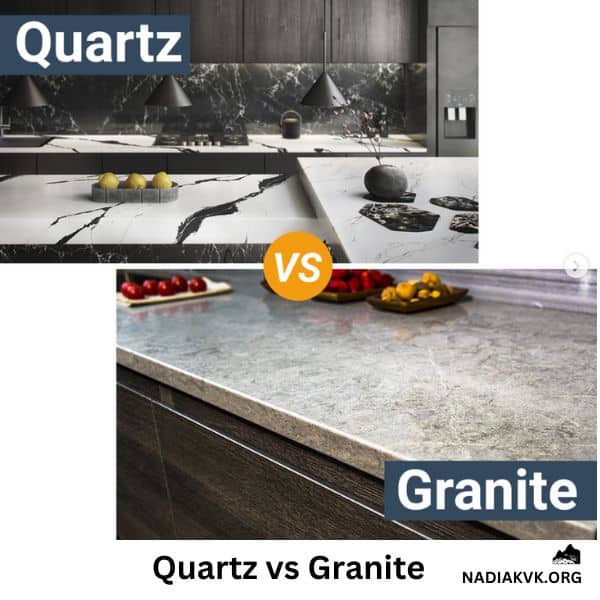
What is the Actual difference?
You need to know how these countertops are made to know how they will hold up in your kitchen.
Granite (The Natural Stone)
Granite is a rock that comes from nature. It is taken directly from quarries all over the world, cut into slabs, and polished. It has wild, unpredictable veins and unique mineral deposits because nature made it. There is no two pieces of granite on Earth that are the same.
Quartz (The Engineered Stone)
A factory makes quartz countertops. To make them, manufacturers mix about 90% crushed natural quartz crystals with 10% color pigments and polymer resins. The patterns are perfectly even and controlled because they are made by design. Quartz is the best choice if you want a clean, bright white countertop or a perfect copy of Italian marble.
If you prefer a softer, classic white tone, colonial white granite countertops offer a natural alternative with a similar elegant veining pattern.
Granite vs Quartz Countertops Cost: What You'll Pay in 2026
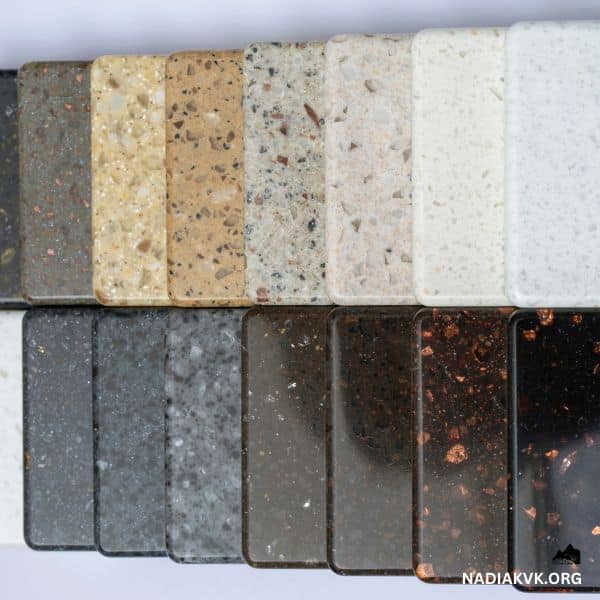
A lot of people think that natural stone is always the most expensive choice. That is actually completely wrong in today's market!
Exotic granites are very rare and can be very expensive, but regular granite is usually much cheaper than high-quality engineered quartz. This is a realistic look at how much you can expect to pay in 2026:
| Countertop Material | Average Cost (Installed Per Sq. Ft.) | Best Budget Option |
| Granite | $45 - $80+ | Entry-level stones like Luna Pearl or Valle Nevado ($40-$50/sq.ft) |
| Engineered Quartz | $60 - $120+ | Unbranded, basic quartz colors from local fabricators |
The Honest Pros and Cons
Both materials are very strong, but they each have their own weakness.
The Pros and Cons of Granite
Pros:
- Virtually Heatproof: Granite is made by extreme geothermal heat, so it is almost heatproof. You can put a hot baking sheet right on the stone without it melting (but we still suggest using a trivet to protect your chemical sealer).
- Scratch Resistant: It is very hard and will dull your kitchen knives before it scratches.
- Indoor/Outdoor Use: It won't fade in direct UV sunlight, so it's great for outdoor kitchens.
For a surface that combines the best of both worlds, nano glass stone countertops are worth comparing — they share granite's heat resistance with a non-porous finish.
Cons:
- Requires Sealing: Granite is naturally porous, so it needs to be sealed. To keep red wine or oil from staining the stone, you need to wipe a liquid sealer over it once a year.
- Visible Seams: If your kitchen is big, the wild, natural patterns make it hard to hide the seams between two slabs.
The Pros and Cons of Quartz
Pros:
- No Sealing Needed: Quartz is 100% non-porous because plastic resin holds the crushed stone together. It doesn't need to be sealed, and it doesn't get dirty or get bacteria easily.
- Modern Aesthetics: It has sleek, clean, and predictable patterns that look great in both modern and transitional kitchens.
Cons:
- It burns and melts: Which is the worst thing about it. If you put the stone in a hot place, the 10% polymer resin in it will permanently burn, melt, and turn yellow.
- Only for indoor use: If you put quartz in an outdoor kitchen, the sun's UV rays will quickly fade and change the color of the resins.
If a dark dramatic look appeals to you, Ubatuba granite countertops are one of the most popular choices for modern kitchens at a competitive price.
The Big Question: Can You Put a Hot Pan on Quartz?
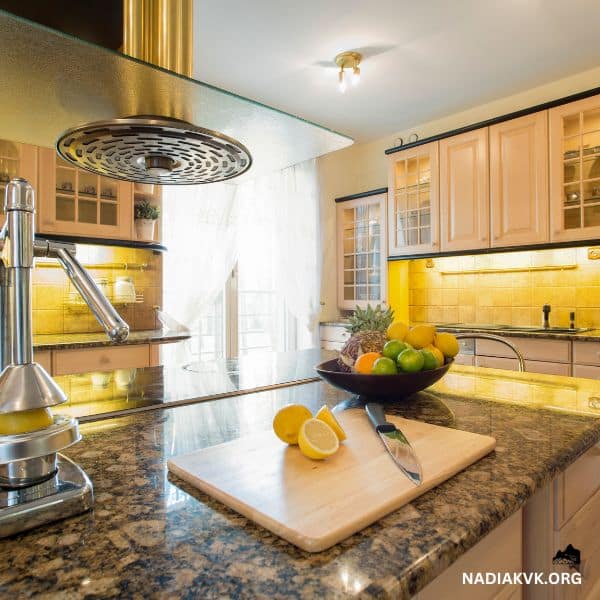
No. No way. There is a lot of false information on the internet that says quartz can withstand heat. The quartz minerals in the countertop can handle high temperatures, but the plastic resins that hold the countertop together cannot.
If you take a 400-degree cast-iron skillet off the stove and put it right on a quartz countertop, the resin will burn right away, leaving a permanent, cloudy, yellow-brown burn mark that can't be fixed.
You should always use a good trivet or hot pad, no matter if you choose granite or quartz.
Not sure which shade suits your kitchen? Browse the best granite countertop colors for US homes to find the right tone before you commit
Granite vs. Quartz Maintenance
If you want a countertop that you can completely forget about, Quartz is the best choice. You can just wipe it down with mild dish soap and water because it doesn't have any holes.
You don't have to worry about resealing it, and it easily keeps spills from coffee, wine, and tomato sauce from getting on it.
Granite needs a little more care. You have to promise to seal it, even though you clean it the same way every time (with mild soap and water—never harsh chemicals like vinegar or bleach!).
Sealing granite only takes about 20 minutes once a year, which is good news. All you have to do is spray the sealer on, let it soak in, and then wipe off the extra.
If neither material fits your vision, metal countertops are a growing trend worth considering for industrial-style kitchens.
The Verdict: Which is Worth the Money?
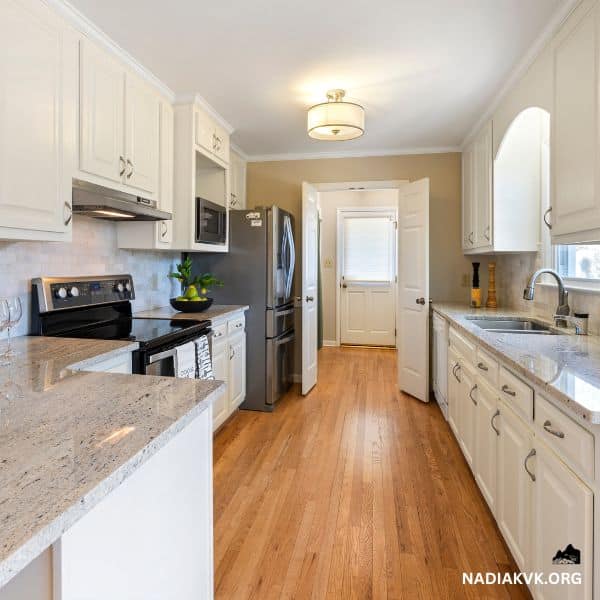
So which side wins the granite vs quartz countertops debate for your specific kitchen?
Quartz is worth every penny if you want a completely uniform, modern look, have a little more money to spend, and want a surface that doesn't need any maintenance or sealing.
Granite is the best choice if you're on a tight budget, do a lot of heavy, high-heat cooking, and want a one-of-a-kind piece of natural art that will last a lifetime.
Frequently Asked Questions
Is granite or quartz better for kitchens?
It depends on how you cook. Granite is better for high-heat cooking and outdoor kitchens. Quartz is better if you want zero maintenance and a uniform modern look.
Which is cheaper — granite or quartz countertops?
Granite is usually cheaper. Entry-level granite starts at $45 per square foot installed, while quality quartz starts at $60 and goes up to $120+.
Does quartz crack easily?
Quartz is very durable under normal use but can crack from extreme heat — a hot pan placed directly on quartz can cause permanent burn marks and thermal shock cracks.
How long do granite countertops last?
Properly sealed granite countertops last 30–50 years or more. The stone itself essentially lasts forever — it's the sealer that needs refreshing once a year.