We've all been there before. You want to have a relaxing movie night, but you can hear every footstep on the stairs. Or even worse, the neighbor's dog won't stop barking when you want to sleep.
The door is almost always the main source of noise pollution in a home. A regular interior door lets sound waves through like a big hole, even if your walls are thick and insulated.
The good news is that soundproofing your doors is a very effective and inexpensive do-it-yourself project. This guide will show you the easiest and most effective ways to soundproof any door in your house, whether you want to make your home office quieter, block out a noisy street, or just keep your teen's music from getting too loud.

Why Do Doors Leak So Much Noise?
Before you buy anything, you need to know how sound is getting through your door. Sound waves are sneaky because they move like water. Sound can get through a gap in the air.
Doors leak noise for two primary reasons:
The Air Gaps: Take a close look at your door when it's closed. You should be able to see light coming through the gap at the bottom and around the frame. Airborne noise can easily move from room to room through those gaps in the perimeter.
Lack of Mass: Most interior doors in homes are "hollow core," which means they don't have any mass. They are basically two thin sheets of wood with cardboard honeycombing inside. Sound waves can easily pass through the middle of the door because it doesn't have a lot of mass.
To make a door soundproof, we need to fix both the gaps and the weight. Here are the four best ways to do it yourself.
Read More: Laminate Countertops
Method 1: Weatherstripping the Perimeter
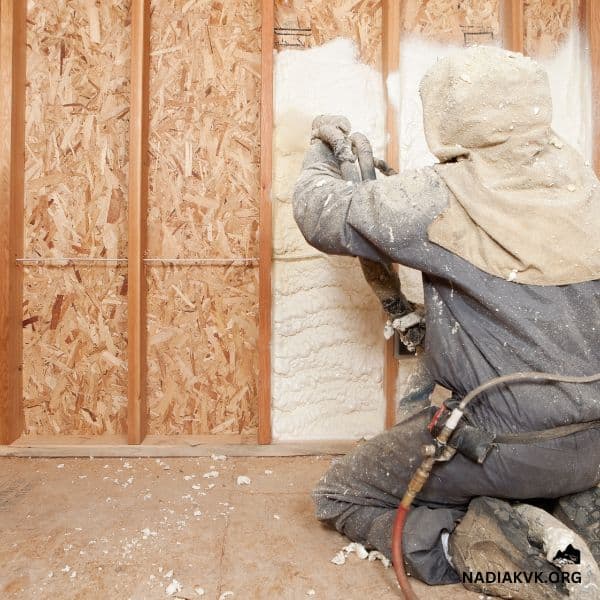
Sealing the air gaps around the top and sides of the door frame with rubber or foam weatherstripping is the quickest and cheapest way to cut down on noise transmission.
Tools Required:
- A tape measure
- Weatherstripping made of high-density adhesive rubber
- A sharp utility knife or scissors
- Alcohol for cleaning
Read More: Slate Countertops
How to Install:
Clean the Frame: Use rubbing alcohol to wipe down the inside of the door frame, which is where the door hits when it closes. A frame that is dusty or greasy won't stick to glue.
Measure and Cut: Take measurements of the top and two sides of the door frame. Cut your rubber weatherstripping so that it is the same length as those three.
Peel and Stick: Take off the backing from the weatherstripping and press it firmly into the frame.
Test the Seal: Close the door to see if the seal works. The door should push the rubber strip down a little, making a seal that is tight and soundproof.
Read More: How To Paint Bricks
Method 2: Install a Door Sweep (Sealing the Bottom Gap)
Most of the time, the bottom of a door has the biggest gap. A regular "door stopper" keeps a door from slamming into a wall, but a Door Sweep (or an acoustic draft blocker) keeps sound from rolling under the door.
Tools Required:
- Acoustic door sweep made of rubber or thick silicone
- Hacksaw (if you need to cut the sweep to size)
- A screwdriver and screws (or strong glue)
How to Install:
Measure the Width: Measure the width of the bottom of your closed door. If the door sweep you bought is too long, use a small hacksaw to cut the aluminium track to the right length.
Align the Sweep: Shut the door. Press the rubber flange of the sweep firmly against the floor (or threshold) by holding it against the bottom of the door.
Attach it to the Door: Depending on the sweep you bought, you can either peel off the backing and press it into place or use a drill to screw it right into the bottom of the solid wood frame.
Read More: Stainless Steel Countertops
Method 3: Use V-Strip (Spring Metal) for Heavy-Duty Seals
Standard foam weatherstripping might rip or wear out quickly if your doors are heavy and made of solid wood or metal. A "V-Strip," which is also called spring metal or tension seal, is a very strong option. It is a "V"-shaped piece of metal that opens up to fill in gaps.
Tools Required:
- Roll of bronze or copper V-Strip
- Tin snips (for cutting the metal)
- Hammer and small nails for finishing
How to Install:
Measure and Cut: Use tin snips to cut the metal V-strip to the right length by measuring the door frame's perimeter.
Nail it in Place: Open the door. Put the strip right up against the door stop moulding so that the flared "V" shape will get smaller when the door closes. Every few inches, nail it down.
The result: When the door closes, it flattens the metal, making an extremely strong, tight acoustic seal.
Read More: Cultured Marble
Method 4: Add Mass with Acoustic Panels
If you've sealed all the gaps around the frame but can still hear the TV downstairs, the sound is coming through the door's hollow wood. You need to add weight.
Tools Required:
Acoustic foam panels, fibreglass sound blankets, or heavy mass-loaded vinyl (MLV)
Heavy-duty Command strips (or glue for building)
How to Install:
Choose Your Material: Acoustic foam panels are cheap and work well to cut down on echoes in a room. To block a lot of sound, hang a solid sheet of Mass Loaded Vinyl (MLV) or a special fibreglass acoustic blanket over the door.
Attach to the Door: If you rent your home and don't want to damage it, use heavy-duty Command Strips to stick foam panels to the back of the door. You can use screws or glue to attach heavier soundproofing materials if you own the home.
Read More: Standard Counter Height
The Ultimate Fix: Replace the Door
We need to be completely honest here: no matter how much foam and weatherstripping you put on your door, it will never be 100% soundproof if it is paper-thin and hollow.
If you've tried the above methods and still have a lot of noise, the best thing to do is take out the hollow-core door and put in a solid-core wood door or a special acoustic metal door. Solid doors are heavy enough to completely block sound waves that are in the air.
Read More: Dolomite Countertops
FAQs
Do draft stoppers work for soundproofing?
Yes! A thick, fabric draft stopper that goes under the door does a great job of keeping cold air and high-frequency sound waves out of the room.
How do you soundproof a metal door?
Metal doors are great at bouncing sound back, but they can also make an echo. Put a high-quality rubber threshold at the bottom to soundproof them. You can also use heavy-duty foam or magnetic acoustic panels on the inside of the metal door to stop vibrations from getting through.
Is soundproofing expensive?
It doesn't have to be! You can get weatherstripping and a basic door sweep at the hardware store for less than $30, and they can cut down on noise by up to 50%.