Imagine that you are driving up to a beautiful, rustic-modern house. The tires don't make any noise as they roll over a beautiful, natural stone surface that goes well with the earthy colours of the landscaping. It's better than a boring, cracked concrete slab or a plain black asphalt driveway.
That is the magic of granite hardscaping.
I've seen thousands of homeowners and landscape designers switch from traditional concrete to natural stone gravels over the years. It is good for the environment, drains well, and makes your home look better right away. But when you go to the stone yard, you have to choose between Decomposed Granite Gravel and Crushed Granite Gravel right away.
You need to know the difference if you want to make a long-lasting driveway, a beautiful patio, or a winding garden path. In this full guide, we'll clear up any confusion, look at the real pros and cons, and show you exactly how much a crushed granite driveway will cost you.
The Big Mix-Up: Decomposed vs. Crushed Granite
One of the biggest mistakes I see people who do things themselves make is thinking these two materials are the same. They are both made from the same beautiful natural stone, but they are made in different ways and act differently in your yard.
What is Decomposed Granite (DG)?
Mother Nature makes decomposed granite. Granite rock naturally erodes over millions of years, breaking down into the fine gravel and sand-like particles that make DG such a uniquely compactable material. DG packs down very tightly because the pieces are so small and fine. When compacted correctly, especially when mixed with a resin stabiliser, it gets almost as hard as concrete. This makes it the best surface for patios, walking paths, and under fire pits.
What is crushed granite?
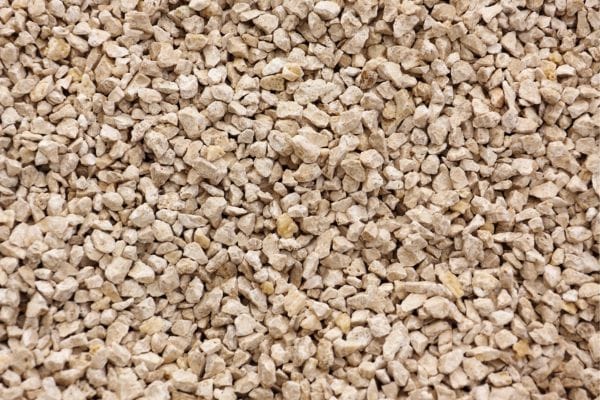
People make crushed granite, on the other hand. At a quarry, huge boulders of solid granite are broken down into specific sizes, usually between 1/4 inch and 1 inch. The stones have sharp, jagged edges because they were broken up by machines. When you walk or drive on these stones, the jagged edges lock together, but the stones are bigger and don't have the fine sand that DG does, so water flows right through them.
Most of the time, when people search for "decomposed crushed granite," they are looking for a hybrid mix. But knowing the difference will help your landscaping project!
If you're also renovating your outdoor kitchen or patio area, concrete countertops are a popular choice that pairs well with a granite gravel surround.
Crushed Granite for Driveways: Is It Worth It?
The crushed granite driveway is the biggest trend in landscaping right now. Let's talk about it.
Pouring hundreds of feet of concrete will definitely empty your bank account if you have a long driveway or live in a rural area. Crushed granite has become the best option. This is why it works so well for cars:
- Amazing strength to hold weight
Crushed granite has sharp, angular edges, which is different from smooth river rock or pea gravel. This means that when a car rolls over them, the stones fit together like puzzle pieces. This stops the gravel from moving around all the time, sliding, and shooting out from under your tires. - Better drainage
Crushed granite is the best thing to have if you have trouble with puddles or a muddy driveway after a heavy rain. Water drains right through the rocks and into the soil below, getting rid of all standing water. This is because the rocks don't pack down into a solid, waterproof sheet like DG or concrete. - The Satisfying "Crunch"
A crushed granite driveway is not only useful, but it also makes you feel good. It gives your tires and boots that satisfying, high-end "crunch" that you usually only find at fancy country estates or villas in Europe.
For covered patio areas near your granite gravel path, the best types of wood for outdoor furniture can help you complete the natural, earthy aesthetic.
How Much Does It Cost?
Granite gravel is very cheap compared to pouring concrete, laying asphalt, or putting in expensive paving stones.
Prices will always change based on where you live, the colour of the stone, and delivery fees. But here is a realistic breakdown of what you can expect to pay in 2026:
Pro Tip: If you want to make a standard driveway, you should also think about how much it will cost to rent a mechanical plate compactor and buy a heavy-duty weed barrier fabric to put under the stone.
| Material Type | Average Cost Per Cubic Yard | Average Cost Per Ton |
| Crushed Granite | $40 - $75 | $50 - $85 |
| Decomposed Granite (Raw) | $30 - $50 | $40 - $60 |
| Stabilized DG (With Resin Binder) | $100 - $150 | $120 - $170 |
Decomposed Granite Driveway: Is It the Right Choice for You?
A decomposed granite driveway is the fastest-growing alternative to poured concrete in the US right now — and for good reason. A standard two-car concrete driveway costs $3,000–$6,000 to pour. The same area in stabilised decomposed granite costs $800–$2,000 installed, drains better, and looks more natural.
The trade-off is longevity — concrete lasts 30+ years with minimal upkeep, while a DG driveway needs regrading and topping up every 3–5 years. But for homeowners in drought-prone states like California, Texas, and Arizona, the drainage benefits and lower cost make DG the clear winner.
The Honest Pros and Cons of Granite Landscaping
There is no such thing as perfect landscaping material. Before you have a dump truck full of stone delivered to your house, think about these real-world pros and cons:
The Pros: Why You Will Love It
Low Maintenance: You won't have to spend your weekends power-washing stained concrete or sealing cracked asphalt. Granite gravel doesn't need much care.
Environmentally Friendly: It is 100% natural, which is good for the environment. Unlike asphalt, it doesn't leak toxic chemicals or oil into your groundwater, and its permeability keeps harmful rainwater from running off.
Versatility: It comes in a beautiful range of earthy colours, from warm rusty reds and golden tans to sleek charcoal greys, so you can perfectly match the outside of your home.
The Cons: What to Watch Out For
Tracking Dirt Inside: If you use fine Decomposed Granite near your front door, the sandy particles will stick to the bottom of your wet shoes and get tracked onto your hardwood floors. (This is why bigger Crushed Granite is better near the front door!)
Weed Control: The stone itself keeps weeds from growing, but dirt and seeds will eventually blow onto your driveway or patio. You will sometimes need to spray for weeds that are not very deep.
Uneven Surfaces: Heavy rain and heavy tires can cause dips and ruts over time. You will need to have a strong metal rake on hand to move the stone back into place a few times a year.
Other Brilliant Uses for Granite Gravel
Driveways are the most common use for this stone right now, but you can use it anywhere in your yard to make a beautiful, drought-resistant landscape.
Patio and Fire Pit Areas: Stabilised Decomposed Granite packs down tightly enough to hold up heavy patio furniture, making a beautiful, rustic floor for your outdoor seating areas.
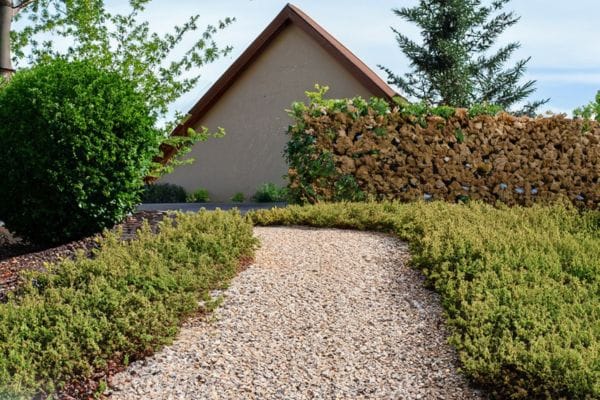
Garden Walkways: Cute, winding paths made of crushed granite fit in perfectly with natural garden beds.
Xeriscaping (Drought Landscaping): If you live in a hot, dry area, replacing your thirsty grass lawn with decomposed granite landscaping saves thousands of gallons of water each year — and modern DG designs look far more intentional than plain gravel
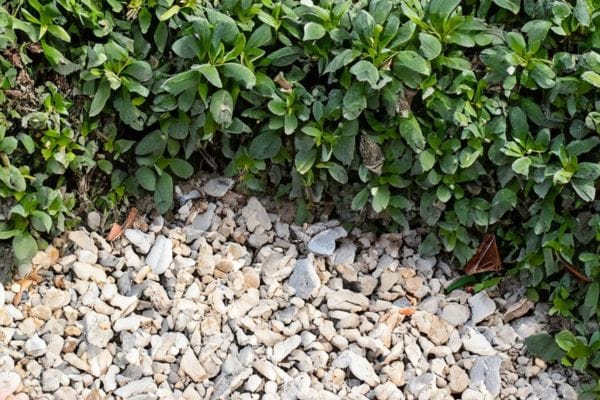
Garden Borders: To make a clean, clear line between your mulch beds and your lawn, use bigger pieces of crushed granite as a heavy border.
Frequently Asked Questions (FAQs)
How do I prevent weeds from growing through my crushed granite driveway?
The key is to get ready ahead of time. Before you can lay a single stone, you need to remove the topsoil and put down a heavy-duty, commercial-grade woven weed barrier fabric. This stops weeds with deep roots from coming up from the ground below. A quick spray of a pet-safe weed killer will take care of seeds that blow in from above.
Does decomposed granite Gravel get muddy when it rains?
Yes, the fine sand-like particles can get soft and muddy in heavy rain if you use "raw" DG without a stabiliser. You have to use "Stabilised DG" (which has a natural resin binder mixed in) or stick to larger Crushed Granite if you live in a place where it rains a lot.
Can I install a crushed granite driveway myself?
Yes, for sure. It's a great DIY project if you're willing to do the work. You will need to dig up the area, lay down your weed fabric, have the stone brought to you, use heavy metal rakes to spread it out evenly, and rent a vibrating plate compactor from your local hardware store to hold the jagged stones tightly together.
The Bottom Line
Decomposed granite landscaping is one of the smartest investments you can make for your property's exterior — whether you're building a high-end driveway, a rustic patio, or a water-saving xeriscape yard. It is good for the environment, lasts a long time, and gives your property a natural, earthy beauty that plain concrete can't match.